

Helping Kids Cope with a High-Conflict Co-Parent
How to Help Kids Cope With a High-Conflict Parent
by guest author Bill Eddy
Rather than talking to the kids about a “high-conflict” co-parent (and you should never use that term around the children), talk about “four big skills for life.” These skills are:
• flexible thinking
• managing emotions
• moderate behaviors
• checking ourselves to see if we’re using these skills regularly
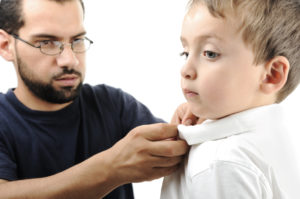
Tell your kids that these four skills help in any relationship, whether it’s with someone you like or someone you don’t like. You can explain this to a child of almost any age, starting at least at age four, if you put it in simple terms.
Then, in daily life you can ask them if they noticed other people who used these skills in solving problems, or if you used any of these four skills in solving a problem. For example: “Did you notice how that guy at the store was frustrated, but he stayed calm and listened to the clerk tell him where to find what he wanted? Would you say he was managing his emotions?”
“Did you notice how that guy on TV was just yelling his daughter? Would you say he was managing his emotions? Did he seem to get what he wanted? No, he didn’t. How do you think he could have used managed emotions to help solve his problem?”
 After taking an educational approach to teaching these four big skills, you can start using them when things happen with your co-parent. Suppose he or she was unreasonably angry at your child, and the child came to you to complain. Rather than saying that your co-parent is a jerk, you could say: “Remember, some people have a harder time managing their emotions than other people. When you’re ready, let’s do some flexible thinking about ways you might deal with situations like that in the future. In the meantime, we can manage our own emotions, even if some other people can’t.”
By speaking in this “teaching skills” way about the other parent, you avoid “bad-mouthing” him or her, while giving your child skills for resilience. This way, you can’t be blamed for saying anything specifically about your co-parent. Instead, you have kept it as a general lesson and still provided a discussion about what to do in the future in “situations like that.”
By teaching the “four big skills for life,” you can help your child learn lessons that will have value for the rest of his or her life.
Bill Eddy is the author of Don’t Alienate the Kids: Raising Resilient Children While Avoiding High Conflict Divorce, which explains this approach in greater detail. His websites are New Ways for Families and High Conflict Institute.
Co-Parenting When Your Ex Has a High-Conflict Personality
– Additional Comments
by Virginia Colin
Most parents, even those who are very selfish, defensive, or angry, have something positive to offer to their children. Unless there is abuse, serious untreated mental illness, or a dangerous level of addiction in the parent, most kids benefit from continuing to spend good amounts of time with each of their parents. But if one or both parents get into fights easily, kids need to learn skills for dealing with a “high-conflict” person.
As Bill Eddy advises, DO NOT use the term “high-conflict” to describe your ex when you are talking to your kids or when your kids can hear you talking with someone else. DO talk about these four big skills for life — flexible thinking, managing emotions, moderating behaviors, and checking ourselves to see if we’re using the skills regularly. These truly are skills that can be learned. They are useful for almost any child or adult. Teach your kids these skills and practice them yourself.
The opposites of the relevant skills handicap children and adults. They are rigid thinking (all or nothing; right or wrong; win or lose), out-of-control emotions, and extreme behaviors.
As you go through your day with your child, you can ask whether they notice other people using these skills. For example: “Did you notice how frustrated that guy at the soccer game was, but he stayed quiet anyway and listened to the referee tell him the rules about where fans could sit? Was he managing his emotions well?” Or “Remember how angry I was when the usher lost our tickets and then didn’t believe I had bought them? I didn’t manage my emotions very well then, did I?”
After you have spent some time teaching the skills to your child, you can start using them when things happen with your co-parent. Suppose your co-parent was unreasonably angry at your child, and the child came to you to complain. Rather than saying that your co-parent is a nasty self-centered bully, you could say: “Sometimes your Mom has a hard time managing her emotions. It’s not fun when that happens, is it?” followed by “How are you doing managing your own feelings?”
Do avoid “bad-mouthing” the other parent. Paradoxically, bad-mouthing them often damages the child and damages his relationship with you in the long run. Using an educational approach instead increases your child’s resilience.
For the rest of her life, your child will from time to time have to deal with people who don’t manage their own emotions or behavior well. Learning how to manage their own feelings is good for kids. Learning how to make good choices about what they do even in tough situations is great for kids. (It’s also great for adults who did not learn it when they were kids!)
Reminder: You can learn more about teaching these skills on the New Ways for Families website.
Free consultation: If you and your child’s other parent would like professional support as you negotiate or update your co-parenting agreement, contact Colin Family Mediation Group at mediatorQ@gmail.com or 703.864.2101.