Domestic Violence
Domestic Violence
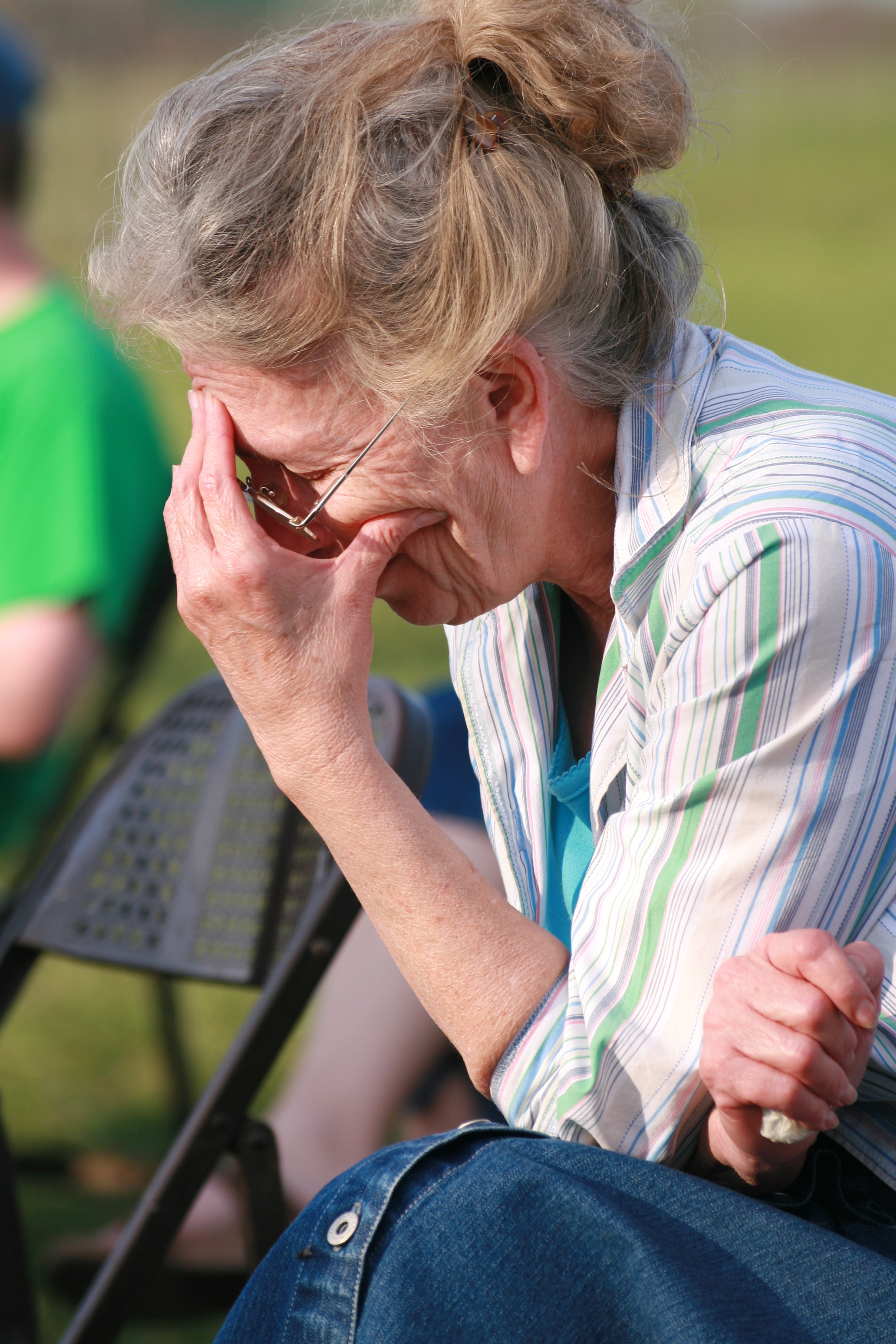
woman
It’s a tough topic. People don’t like to think about it. They don’t want to know how many people are affected by it. According to a 2010 CDC study,* one of every four women and one of every seven men experience stalking or physical violence from an intimate partner. That’s 25% of women and 14% of men. The results include physical injuries, mental health problems, substance abuse, sexually transmitted diseases, hospitalization, disability, death, and terrified children. It’s scary stuff. The people involved, both abusers and victims, appear in every category of race, ethnicity, religion, socio-economic class, sexual orientation, culture, age (except for very young children), gender, and marital or relationship status.
Many people who are being abused do not recognize what is happening. Often abusers do not see themselves as being abusive. Domestic violence is not only physical violence such as hitting. Sometimes it is psychological, emotional, or sexual abuse.
Domestic violence occurs when one person in a relationship uses a set of behaviors to control the other person. If your partner repeatedly uses one or more of the following to control you:
- pushing, hitting, slapping, choking, kicking, or biting
- threatening you, your children, other family members, or pets
- threatening suicide to get you to do something
- using or threatening to use a weapon against you
- keeping or taking your paycheck
- forcing you to have sex or to participate in sexual acts you dislike
- putting you down and making you feel unworthy, or
- keeping you from seeing your friends or family or from going to work,
then you have been abused.
In other words, coercion is abuse, even in the absence of physical violence.
Abusers are not always easy to identify. Abuse happens in secret. In public, the abuser often appears to be like anyone else. Abusers sometimes blame the victim for causing the abuse, and victims sometimes believe that they are the ones at fault. Except in mutually abusive relationships, that is almost never true.
If you are in an abusive relationship, look for information and advice from organizations such as www.domesticviolence.org. If your partner is tech savvy, use a library computer or a friend’s computer, because there is always a computer trail.
The most dangerous time for a victim of abuse is when he or she tries to leave the abuser. Plan well. If you can safely take your children with you, do so, and try to get temporary physical custody of them within a few days. Call 911 if you are in danger. If you need a personal protection order (PPO) to protect you from being hit, threatened, harassed, or stalked, find out where to go and what to bring to obtain such an order from a court. Then carry a copy with you wherever you go. A PPO can stop someone from bothering you at work or finding your address through school records. Do not live with a friend who might be regarded as a sexual partner, because that could hurt your chances of getting (a) full custody of your children and (b) spousal support.
Some family mediators are reluctant to work with clients who have a history of domestic violence. I have found that many of these people, once the victim has started to do something about the power imbalance, are surprisingly well able to negotiate reasonably about what will be best for their children. A parent who has been physically abusive to his or her partner may agree that the partner should have primarily physical custody. A parent who has been abused may agree that the partner who has been abusive to him or her is fully capable of maintaining a strong, positive bond with their children and should have clear visitation rights. The parents can figure out how to transfer the children from one parent to the other in ways that feel safe to both — safe for the parent who has been abused and feels fearful, and safe for the parent who must now worry about violating a protective order. Few if any people are all bad or all good. Most are capable of learning new ways of thinking, feeling, and behaving. Most do love their children and want to give their children good futures.
Your life, your safety, and your children are most important. In most cases, it is possible to leave an abusive partner, but leaving may require careful planning. In case of emergency, just leave and then find the help you need as fast as you can.
The author is a Professional Family Mediator certified by the Virginia Supreme Court. She is not an attorney or a therapist. This site is for informational purposes only. Nothing here should be construed as legal advice.
*www.cdc.gov/ViolencePrevention/pdf/NISVS_Report2010-a.pdf